
Understanding the educational disparities in Nigeria and what we can do to bridge the gap for millions of children.
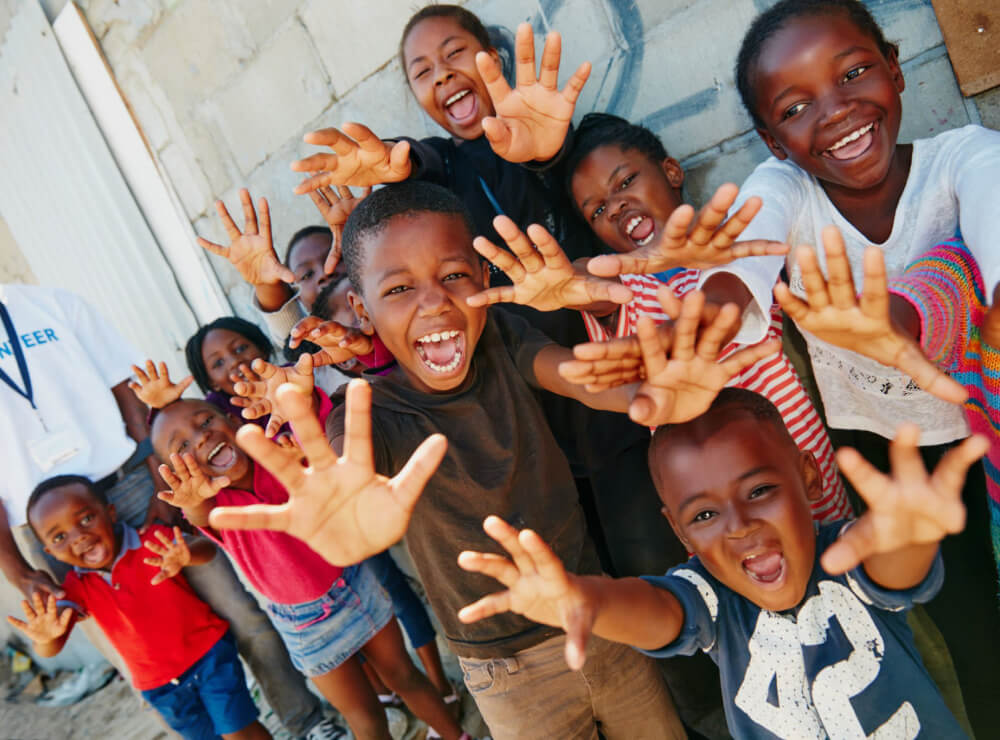
Nigeria has the highest number of out-of-school children in the world—over 20 million by recent estimates. Behind this staggering statistic are real children with real potential, locked out of opportunities that education provides.
The Current Landscape
Educational access in Nigeria varies dramatically by region, gender, and economic status. In the North, only 53% of children attend primary school compared to 93% in the South. Girls are disproportionately affected, with early marriage and cultural norms keeping many from classrooms.
Why Education Matters
Education isn't just about reading and writing—it's about possibility. Educated individuals:
- Earn 10% more for each year of schooling completed
- Are more likely to participate in civic activities
- Have healthier families and lower child mortality rates
- Contribute more to economic development
The Barriers
Understanding why children aren't in school is crucial to finding solutions:
- Cost: School fees, uniforms, and materials are unaffordable for many families
- Distance: Rural communities often lack nearby schools
- Quality: Overcrowded classrooms and undertrained teachers reduce learning outcomes
- Cultural factors: Some communities don't prioritize formal education, especially for girls
- Insecurity: Conflict has forcibly closed schools in many regions
What Can Be Done
At WeShare Charity, we address these barriers through:
- Scholarships that cover all educational costs
- Community sensitization programs
- Teacher training initiatives
- School infrastructure improvements
How You Can Help
Sponsoring a child's education costs less than you might think. For ₦25,000 per month, you can keep a child in school with all necessary supplies. That's a cup of coffee per day to change a life forever.